


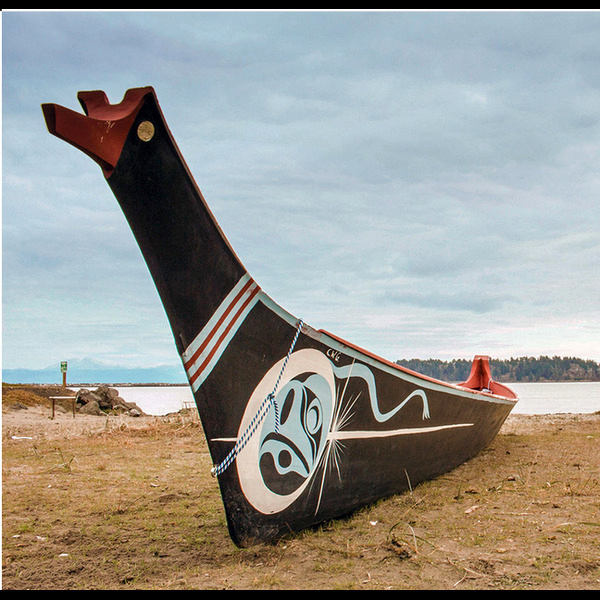
The Makah Tribe’s long-awaited return to traditional whaling has been pushed back yet again — this time by more federal delays, according to a report by KNKX radio.
Despite securing a key federal waiver last year affirming their exclusive
treaty right to hunt gray whales, the NOAA permit needed to begin a hunt is now
unlikely for at least another 18 months.
The tribe applied for that permit in March, expecting quick approval after more than 20 years of review. But this summer’s hunting window came and went with no decision from NOAA.
Makah Chairman Timothy Greene says the tribe is determined to get back on the water, calling the hunt vital for future generations to see their culture in practice.
NOAA officials say only that the Marine Mammal Protection Act requires both a waiver and a detailed permit before any whale hunt can begin. The Makah application outlines proposed seasons in 2025 and 2027 and complies with strict federal criteria on methods, safety, and whale-management limits.
The waiver allows
the tribe to take up to 25 gray whales over 10 years.
Some observers, including UW professor Joshua Reid, argue the continued delays
amount to the federal government bogging down treaty rights through
bureaucracy.
Archaeological evidence indicates that the Makah people have hunted whales going back at least 2,000 years.
Continuing the traditional whaling practices is at the heart of Makah citizens' identity, spiritual beliefs, subsistence practices, and ceremonies. Makah ceremonies, songs, dances, art, basketry and traditions are all connected to their whale relatives. Makah citizens are deeply spiritually and ecologically connected to the whales and the ocean — not just hunters, but stewards of the whales in a reciprocal relationship that is honored through ceremony before the whale is hunted and before it is harvested.
PHOTO: Makah Tribe website
 Facebook
 Youtube
 Google Plus
 Twitter